
What Seniors Should Know About Anxiety
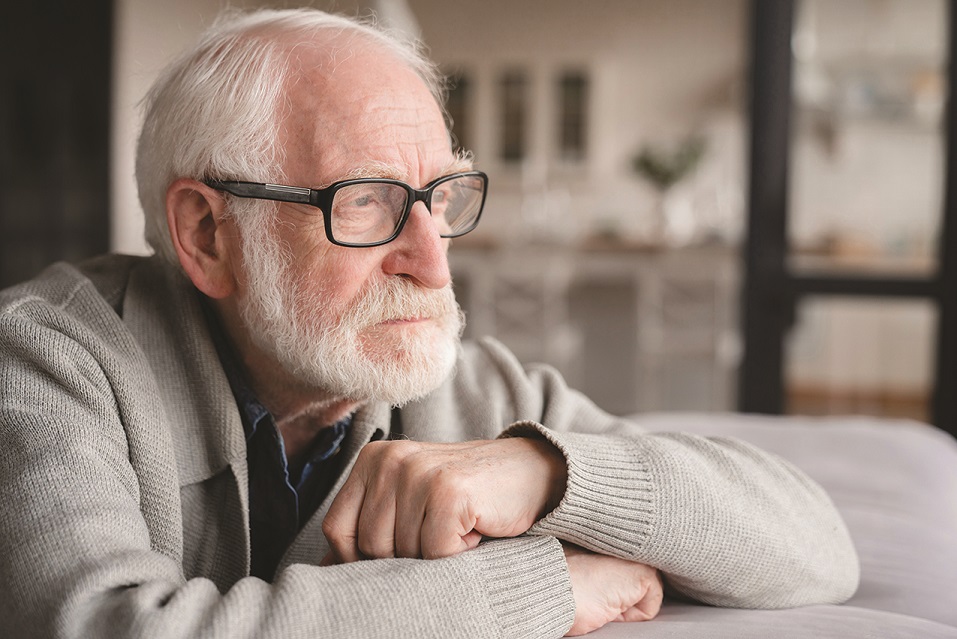
Discussions about older adults and health often focus on seniors’ physical health. But mental health is also an important consideration for older adults, many of whom may be struggling. Anxiety is a mental health issue that affects a significant percentage of older adults. A 2024 study published in the Journal of General and Family Medicine found that the global prevalence of anxiety symptoms among older adults is 28%. With nearly one-third of seniors experiencing anxiety, it is helpful to learn about the condition, its causes, and its signs and symptoms.
Defining anxiety
The National Council on Aging notes that anxiety is a natural response to many life stressors. However, when anxious feelings overwhelm an individual and make daily life more difficult, a person may be experiencing an anxiety disorder, which, according to the American Association for Geriatric Psychiatry (AAGP), can cause fear, worry, apprehension, or dread.
What distinguishes anxiety from an anxiety disorder?
The American Psychiatric Association notes that occasional anxiety is a normal part of life. However, occasional anxiety comes and goes quickly, whereas an anxiety disorder is a more persistent level of anxiety that’s harder to control and can affect how people interact with others, how they work, and even their overall well-being.
Are there different types of anxiety?
Yes. The AAGP notes that anxiety may be a specific phobia, in which a person harbors an intense and irrational fear of a place, thing, or event. Social anxiety is another type of disorder that occurs when an individual feels overwhelmingly anxious and self-conscious in typical social situations. Generalized anxiety disorder is marked by constant worry, even when there is little or nothing to cause concern.
What causes an anxiety disorder?
The AAGP notes that a number of factors can contribute to an anxiety disorder, including extreme stress or trauma; bereavement and complicated or chronic grief; consumption of alcohol, caffeine, or drugs, including prescription or over-the-counter medications; a separate medical condition or illness; or neurodegenerative disorders, such as dementia.
How do I know if a loved one or I am experiencing an anxiety disorder?
Seniors are urged to speak with a healthcare professional if they feel overwhelmed by anxiety. Family members can also learn to look for signs of an anxiety disorder, which the AAGP notes include excessive worry or fear; refusing to engage in routine activities or being overly preoccupied with them; avoiding social situations; excessive concern about safety; physical symptoms such as a racing heart, shallow breathing, trembling, nausea, and/or sweating; difficulty sleeping or poor sleep; muscle tension, feeling weak and shaky; hoarding, which the Cleveland Clinic notes is a distinct mental health condition but also a sign of an underlying anxiety disorder; depression; and/or self-medication with alcohol or other central nervous system depressants, including benzodiazepines and barbiturates.
There are many ways to treat anxiety disorders in older adults, so seniors should not hesitate to open a dialogue with a healthcare professional if they feel they are dealing with excessive anxiety. More information can be found at aagponline.org.