
When Tough Guys Talk About Mental Health
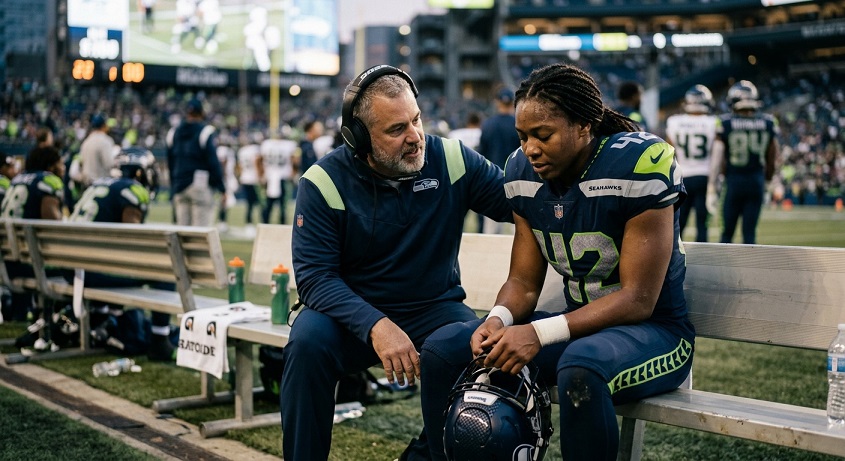
NFL Players Are Helping Change the Conversation
Courtesy of the National Alliance for Mental Illness (NAMI)
With football season in full swing, millions of Americans are spending weekends watching some of the strongest, toughest athletes in professional sports. But a growing number of NFL players are sending an important message that has nothing to do with touchdowns: Strength doesn’t mean struggling in silence. During Mental Illness Awareness Week, their stories are a reminder that depression, anxiety, grief, and other mental health conditions can affect anyone.
Dallas Cowboys quarterback Dak Prescott spoke openly about experiencing anxiety and depression after his mother’s death from colon cancer, the isolation of the COVID-19 pandemic, and his brother Jace’s 2020 suicide. Prescott emphasized the importance of sharing emotional struggles with family, friends, and the community rather than carrying them alone.
A.J. Brown has spoken about depression and suicidal thoughts. Brown, who played for the Tennessee Titans and the Philadelphia Eagles, once believed he could simply brush off difficult feelings. Eventually, he sought therapy and encouraged other men to do the same, emphasizing that being tough does not mean refusing help.
Philadelphia Eagles offensive tackle Lane Johnson described living with severe anxiety and depression, which left him nauseated, vomiting, and trembling. In 2021, he temporarily stepped away from football to focus on his mental health. He later said that treatment helped him regain a healthier mindset.
Former NFL tight end Hayden Hurst shared a powerful story. When anxiety and depression affected him during his early professional baseball career, he turned to drugs and alcohol and attempted suicide in 2016. After receiving support and changing course, Hurst eventually reached the NFL and later established a foundation prioritizing mental health and wellness.
Following Buffalo Bills safety Damar Hamlin’s on-field cardiac arrest in January 2023, linebacker Bobby Wagner urged players to talk openly about the trauma they had witnessed. He challenged the notion that expressing emotion somehow makes a person less masculine.
Professional football has long celebrated the ability to play through pain. Today, however, the NFL and the NFL Players Association are working to make mental health part of overall player health. NFL teams have access to behavioral health clinicians, mental health education, confidential support, and other resources.
The message extends far beyond football. Mental strength doesn’t mean you will never experience anxiety, depression, grief, or fear. Sometimes it means recognizing when something isn’t right, talking about it, and accepting help. If some of football’s toughest athletes can say, “I needed help,” perhaps the rest of us can, too.
NAMI Buffalo & Western New York provides education, support, advocacy, and resources for individuals living with mental health conditions and their families. Mental Illness Awareness Week reminds us that understanding and small acts of connection can make a meaningful difference. Learn about NAMI Buffalo & Western New York at www.namibuffalony.org or call 716-226-6264, Ext. 102. If you or someone you know is in a mental health crisis, call or text 988 to reach the 988 Suicide & Crisis Lifeline.