Government Spending on Babies is Not Meeting Their Needs
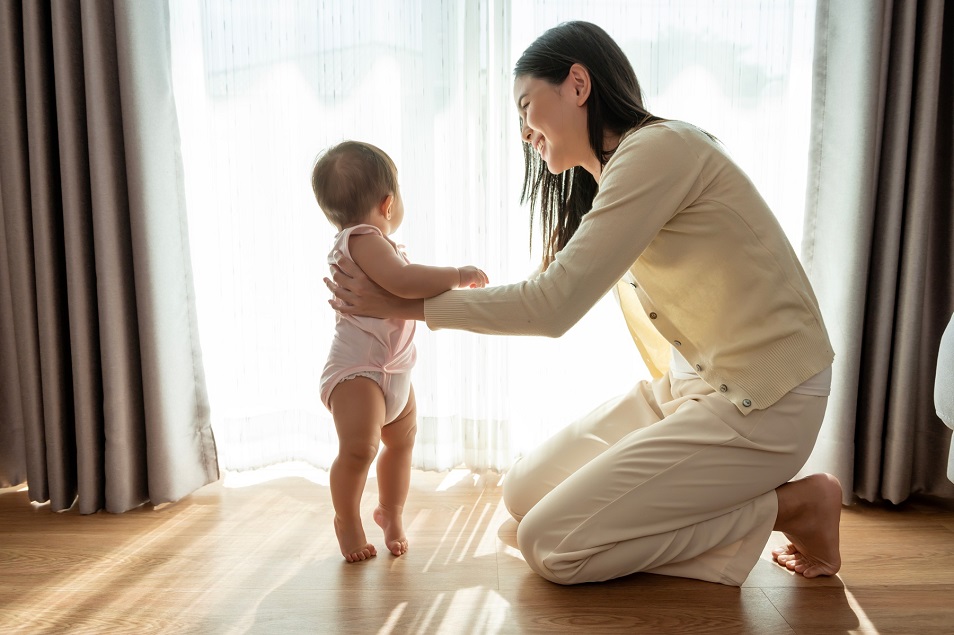
Early experiences during the prenatal period and first three years after birth shape brain development and all other body systems, affecting learning, behavior, and physical and mental health. Unfortunately, there is a discrepancy between the rising costs of raising young children and the level of federal government investment in them.
An annual analysis from the bipartisan nonprofit First Focus on Children reveals that in 2025, only 1.59% of all federal spending went toward supporting children under age 3. The report also makes clear that underfunding is part of a years-long trend. From 2021 to 2025, the share of federal spending on babies fell nearly 20%, from 1.98% of the federal budget to just 1.59%, due to the expiration of key child-centered programs, including the fully refundable Child Tax Credit, the expanded Child Care and Development Block Grant, and the Child Care Stabilization Fund.
Sadly, the administration’s 2026 budget proposal cuts discretionary spending on babies by an additional 17% adjusted for inflation, and the reconciliation package passed by Congress this summer slashes more than $60 billion from babies’ Medicaid health care services over the next decade. It also slashes $13 billion from their share of the Supplemental Nutrition Assistance Program (SNAP), which feeds roughly 16 million children. Together, Medicaid and SNAP account for nearly half of all federal spending on infants, babies, and toddlers, so these historic cuts disproportionately impact them.
See “Babies in the Budget 2025,” released by First Focus on Children, at firstfocus.org, and learn why supporting children in their earliest years is essential at www.ncit.org. Meanwhile, First Focus President Bruce Lesley says, “Every budget line reflects a choice, and Congress and the Administration can choose to put children first.”