Why Minority Health Matters
Addressing Health Disparities to Build Healthier Communities
By Annette Pinder
Good health is something everyone deserves, yet not everyone has an equal opportunity to achieve it. Across the United States, racial and ethnic minority populations continue to experience higher rates of chronic disease, shorter life expectancy, and greater barriers to accessing healthcare than other groups. Recognizing and addressing these disparities is essential to improving our communities’ health.
Minority health focuses on the unique health challenges faced by racial and ethnic populations that have historically experienced healthcare inequities. These disparities can affect nearly every aspect of health, including disease prevention, diagnosis, treatment, and management. According to the U.S. Department of Health and Human Services’ Office of Minority Health, minority populations experience higher rates of conditions such as diabetes, hypertension, heart disease, stroke, obesity, certain cancers, and maternal health complications. Black Americans, for example, are more likely to develop high blood pressure and to experience complications from heart disease. Hispanic and Latino populations have higher rates of diabetes, while some Native American communities experience disproportionately high rates of obesity and related chronic illnesses.
The reasons for these disparities are complex. While genetics can sometimes play a role, many health differences are linked to what experts call the social determinants of health. These include access to healthcare, education, employment opportunities, transportation, housing, nutritious food, and safe neighborhoods. For some individuals, barriers such as lack of health insurance, language differences, transportation challenges, or limited access to primary care providers can make it difficult to obtain preventive services and early treatment. These delays often lead to more advanced illness and poorer outcomes.
Improving minority health benefits everyone. When people have access to preventive care, screenings, vaccinations, and chronic disease management, communities become healthier. Early disease detection can reduce healthcare costs, improve quality of life, and help individuals remain active and productive. Individuals also play an important role in improving health outcomes. Scheduling regular checkups, staying up to date on recommended screenings and vaccinations, maintaining a healthy lifestyle, and seeking medical care when concerns arise can help prevent many serious health conditions. Community support, education, and advocacy are equally important for reducing disparities and promoting health equity.
Ultimately, minority health is not just a minority issue—it is a community issue. By working together to identify and remove barriers to care, we can help ensure that everyone has the opportunity to live a healthier life. Creating healthier communities begins with recognizing that health equity matters. When everyone has access to quality healthcare and the resources needed to thrive, we all benefit.
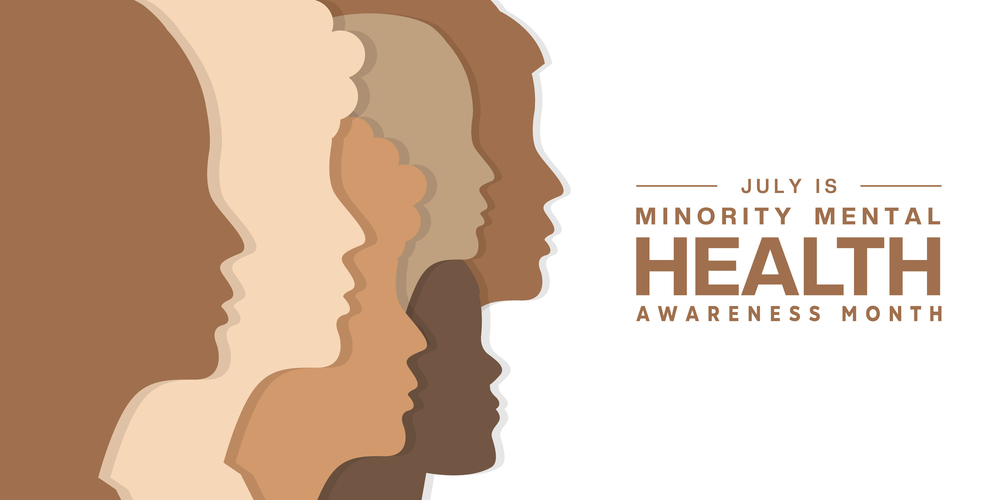
“Minority Mental Health Month is an important reminder that mental health affects every community and that everyone deserves access to compassionate, quality care year-round,” said Dr. LaVonne Ansari, PhD, CEO/executive director, Community Health Center of Buffalo, Inc. “By encouraging open conversations, raising awareness, and reducing stigma, we can help more individuals and families seek the support they need to live healthier lives and thrive.”