
Beyond Weight Loss: The Expanding Benefits of GLP-1 Medications
by Annette Pinder
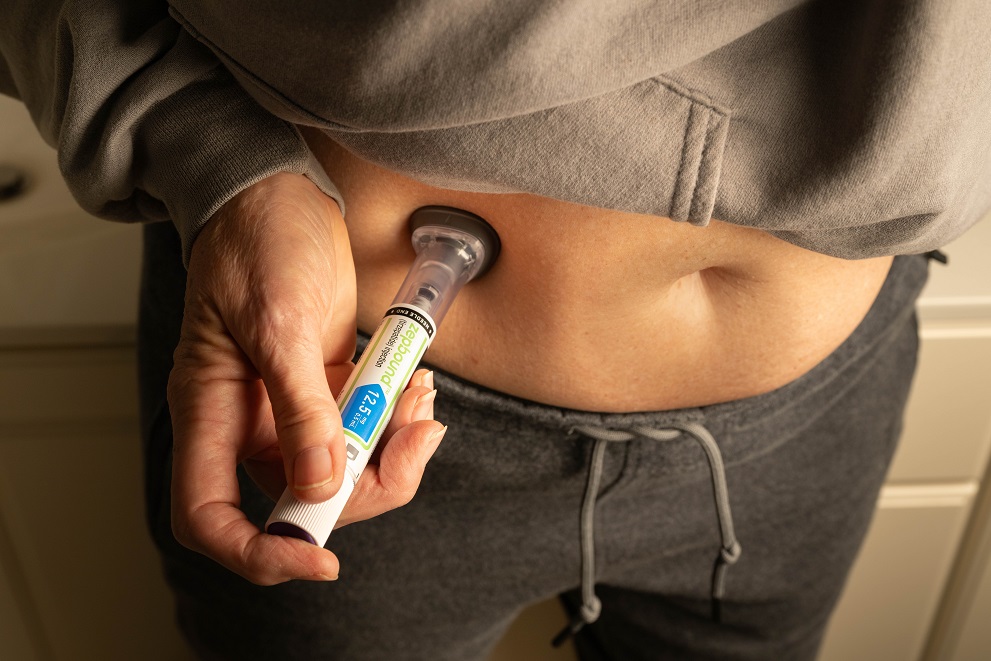
Medications known as GLP-1 receptor agonists—such as semaglutide and tirzepatide—have rapidly transformed the treatment of type 2 diabetes and obesity. These drugs mimic the natural hormone glucagon-like peptide-1 (GLP-1), which helps regulate blood sugar, appetite, and digestion. While widely known for promoting weight loss, these drugs may offer health benefits that extend far beyond the scale, according to a growing body of research.
Weight Loss and Metabolic Health.
GLP-1 medications help people feel fuller sooner and stay fuller longer by slowing gastric emptying and modulating appetite signals in the brain. As a result, many patients eat less and lose significant weight. Clinical trials published in The New England Journal of Medicine found that participants taking semaglutide lost an average of about 15% of their body weight. Even moderate weight loss can improve blood pressure, cholesterol levels, and insulin sensitivity. These changes help reduce the risk of complications associated with obesity and metabolic disease. GLP-1 medications were originally developed to treat type 2 diabetes and remain highly effective at improving blood sugar control. According to the American Diabetes Association, these drugs can significantly reduce hemoglobin A1c levels, an important measure of long-term glucose control.
Cardiovascular Protection.
One of the most important recent discoveries is the cardiovascular benefit of these medications. Research published in The New England Journal of Medicine found that semaglutide reduced the risk of major cardiovascular events, including heart attack, stroke, and cardiovascular death, among people with obesity and established heart disease. The American College of Cardiology reports that GLP-1 therapies may reduce the risk of these serious cardiovascular outcomes by roughly 20% in high-risk patients. “GLP-1 medications are changing how we think about treating obesity and metabolic disease,” says Robert Kushner, MD, professor of medicine at Northwestern University and an obesity medicine specialist. “We’re seeing benefits that go well beyond weight loss, including meaningful reductions in cardiovascular risk.”
Possible Effects on Addiction.
Another emerging area of research focuses on addiction and the brain’s reward pathways. Scientists have found that GLP-1 receptors are present in brain regions that regulate cravings and reward behavior. Research published in Nature Reviews Endocrinology and other medical journals indicates that early studies suggest GLP-1 medications may reduce cravings for substances such as alcohol, nicotine, and highly processed foods. Some patients taking these medications have reported decreased interest in alcohol or smoking. Still, experts caution that the research is evolving, and GLP-1 drugs are not currently approved as treatments for addiction.
Other Emerging Benefits.
Researchers are also investigating whether GLP-1 therapies may improve conditions such as fatty liver disease, kidney disease, sleep apnea, and chronic inflammation. According to studies published in Circulation and The Lancet, these medications appear to reduce inflammatory markers and improve several metabolic risk factors associated with chronic illness.
A Powerful—but Not Perfect—Tool.
Despite their promise, GLP-1 medications are not a cure-all. Some patients experience side effects such as nausea or digestive discomfort, and cost and insurance coverage remain barriers for many people. In addition, weight may return if treatment is stopped. Still, experts increasingly view GLP-1 therapies as a major breakthrough in metabolic medicine. By addressing obesity, diabetes, cardiovascular disease, and possibly even addictive behaviors through shared biological pathways, these medications may represent a new frontier in preventive health.