
Can Eating Prunes Help Protect Your Bones?
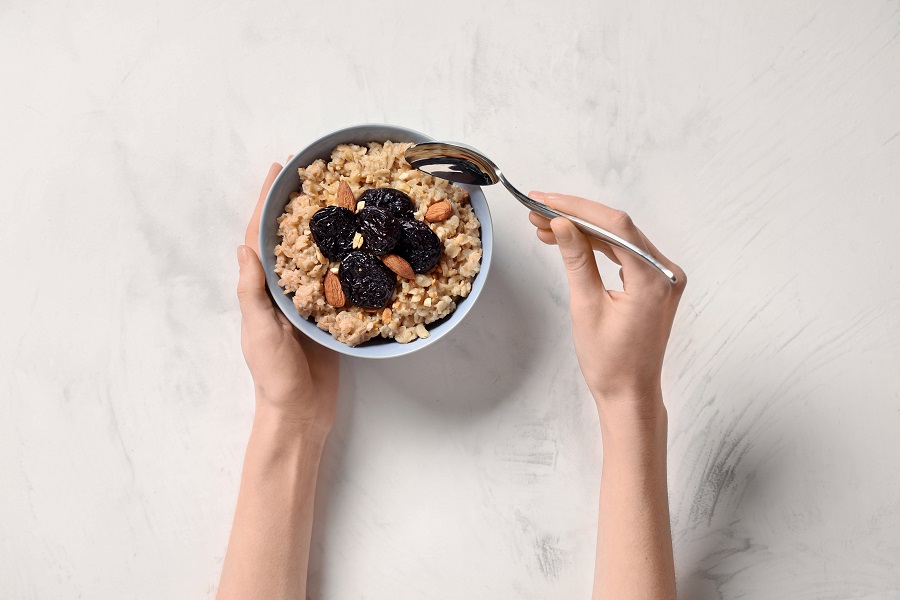
Prunes may not be the first food that comes to mind when thinking about bone health, but a growing body of research suggests these dried plums may help protect against bone loss, particularly in postmenopausal women at risk for osteoporosis.
Research published in Osteoporosis International and other peer-reviewed journals suggests that eating a modest number of prunes daily may help preserve bone mineral density. In a 12-month randomized clinical trial involving postmenopausal women, those who consumed about 50 grams of prunes per day (roughly five to six prunes) maintained hip bone density, whereas those who did not eat prunes did not. Researchers concluded that this amount appeared sufficient to slow bone loss over time.
Additional studies from researchers at Pennsylvania State University have produced similar findings. Their work suggests that regular consumption of prunes may help preserve bone structure and strength, particularly in weight-bearing bones, which are most vulnerable to osteoporotic fractures.
Scientists believe prunes may support bone health through several mechanisms. They are rich in polyphenols and antioxidants, which may reduce inflammation and oxidative stress—two factors linked to bone loss. Prunes also contain nutrients important for bone metabolism, including vitamin K, potassium, magnesium, and boron.
While prunes are not a treatment for osteoporosis, experts view them as a promising dietary strategy that may complement other bone-health measures such as adequate calcium and vitamin D intake, weight-bearing exercise, and medical care when needed.
For those who enjoy them, incorporating five or six prunes a day into oatmeal, yogurt, or salads may be a simple way to support bone health naturally. As always, individuals with osteoporosis or other health concerns should discuss dietary strategies with their healthcare provider.