Mental Health Matters
Turning Awareness Into Connection During Mental Illness Awareness Week
By Jeffrey Pirrone, Executive Director, NAMI Buffalo & Western New York
Mental health is part of everyone’s health. Yet for millions of Americans living with a mental health condition—and for the families and friends who love them—stigma can make it difficult to talk openly, seek help, or know where to turn.
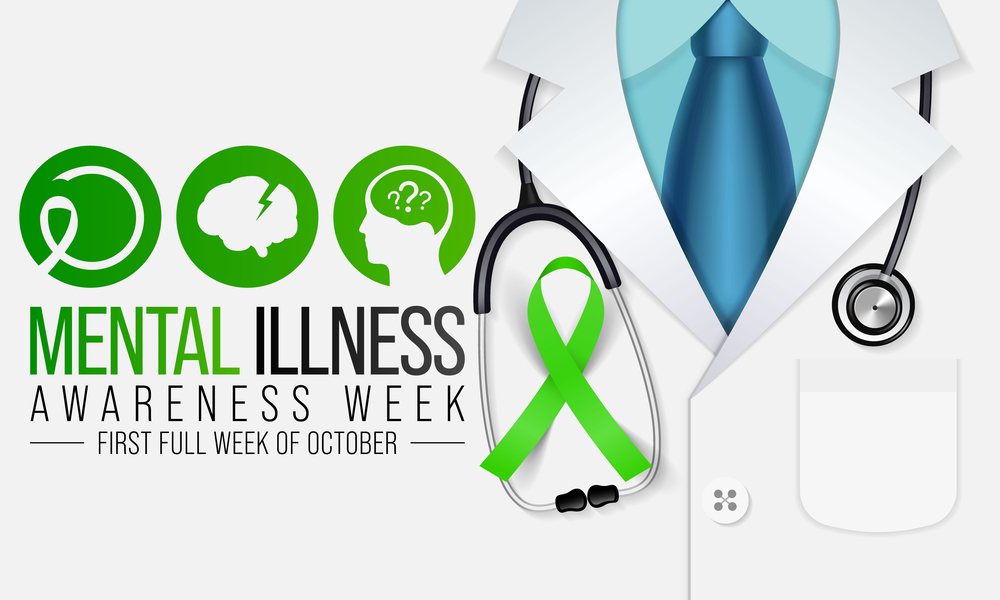
Mental Illness Awareness Week, October 5–11, and World Mental Health Day on October 10 offer an opportunity to change that. Established by Congress in 1990 through the advocacy of the National Alliance on Mental Illness (NAMI), Mental Illness Awareness Week is dedicated to increasing understanding, reducing stigma, and reminding people that no one should face mental health challenges alone. This year’s NAMI theme, “Building Community: Supporting Mental Well-being Together,” emphasizes something that can make an enormous difference in our lives: connection.
Mental illness can be isolating. Someone experiencing depression, anxiety, bipolar disorder, schizophrenia, or another mental health condition may withdraw from others or fear being judged. Families, too, may feel alone as they try to understand what a loved one is experiencing.
Simply listening without judgment can be powerful. Asking someone how they are doing—and taking time to hear the answer—can open a door. Learning about mental health conditions can replace misconceptions with understanding. Talking openly also helps make seeking mental health treatment as acceptable as seeking care for other health concerns.
World Mental Health Day reinforces that message globally. The World Health Organization’s 2026 theme, “Lived Experiences Heard: Real Voices, Real Change,” reminds us that people who have experienced mental health challenges offer valuable insight into conversations about care and support.
Awareness also means paying attention to our own well-being. Persistent exhaustion, irritability, difficulty concentrating, changes in sleep, withdrawing from people or activities, or feeling unable to cope can signal that something needs attention. Sometimes slowing down and practicing self-care can help. Getting enough sleep, exercising, spending time outdoors, stepping away from constant news and social media, and connecting with supportive people can contribute to emotional well-being. When symptoms persist or interfere with everyday life, reaching out to a healthcare or mental health professional can be an important next step.
Perhaps the most important message this October is simple: We don’t have to wait for a crisis to talk about mental health. We can check in on a friend, listen without trying to fix everything, learn more about mental illness, and challenge harmful stereotypes. Together, we can build a Western New York community where someone can say, “I’m struggling,” without fear or shame.
NAMI Buffalo & Western New York provides education, support, advocacy, and resources for individuals living with mental health conditions and their families. Mental Illness Awareness Week reminds us that understanding and small acts of connection can make a meaningful difference. Learn more about NAMI Buffalo & Western New York by calling 716-226-6264, Ext. 102. If you or someone you know is in a mental health crisis, call or text 988 to reach the 988 Suicide & Crisis Lifeline.