Mental Health, Psychedelics, and What Comes Next
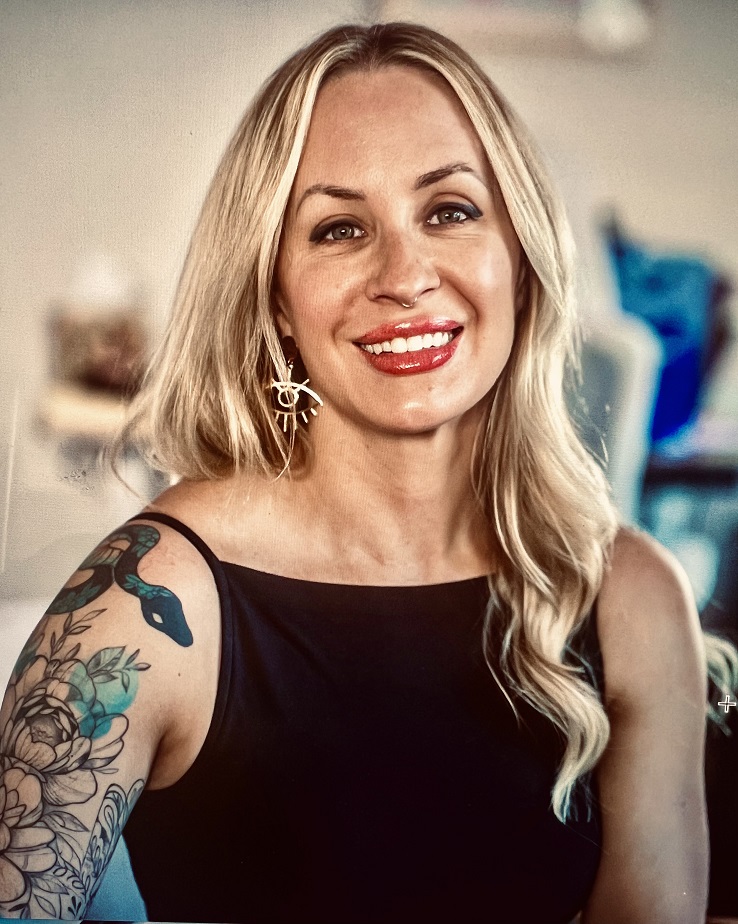
By Jenna Witkowski, LCSW, PLLC
Psychedelics are rapidly entering the mainstream mental health space. After decades of research, setbacks, and renewed interest, these medicines are becoming an increasingly significant part of how we think about mental health and healing. Research continues to explore their potential to treat depression, PTSD, anxiety, addiction, and other conditions. But there may be something bigger to consider.
People do not come to therapy only because they have symptoms. They come because being a person is hard. We struggle with grief, relationships, identity, fear, uncertainty, and questions about how we want to live. We get stuck in patterns and lose touch with what matters to us. Sometimes we make ourselves smaller because it feels safer. Being fully alive also means making room for uncertainty, change, loss, joy, creativity, connection, and things we cannot fully control.
Psychedelics are not the answer to all of this. They are not for everyone and should never be viewed as a cure-all. However, they can be one tool to help people explore these questions differently. They can also encourage us to think about healing in a more integrative way, including our relationship with the mind, body, and deeper internal experience.
There is an important distinction between receiving psychedelic medicine and engaging in psychedelic-assisted therapy. The medicine can create an altered state that may open new ways of seeing ourselves and our experiences. Therapeutic support provides a place to prepare for what may arise, to receive support during the experience, and to work with what comes afterward.
After nearly six years in this field, I believe this therapeutic process is incredibly valuable. Insight is different from knowing how to use it. Preparation, the medicine session, and integration are all important parts of the process. The psychedelic experience may receive the most attention, but it should not be considered in isolation.
Integration is where someone begins making sense of what happened and decides what, if anything, they want to carry into everyday life. The harder work may be determining how new understanding translates into relationships, choices, boundaries, work, and daily life.
Education will also be essential. People considering psychedelics need reliable information on their potential benefits, risks, and limitations. Providers need appropriate education and training. As access expands, we will need clinicians and prescribers who understand altered states and can support people before, during, and after these experiences.
That is part of what makes this moment in mental health care so interesting. Psychedelics may offer another way to address suffering, while also helping us explore what it means to live a meaningful life. Maybe mental health is not only about helping people suffer less. Maybe it is also about helping people become less afraid of what it means to be alive.
Jenna Witkowski, LCSW, PLLC provides trauma-focused and experiential therapy for adults, including EMDR, IFS, somatic therapy, ketamine-assisted psychotherapy, and psychedelic integration in Buffalo, NY, and online throughout New York State. Learn more at www.jennawitkowskilcswr.com or call her to schedule an appointment at 716-800-1935.