The Importance of Colorectal Screening
By Amanda Corigliano, D.O.
James Van Der Beek, a teen idol on the popular television show Dawson’s Creek, recently lost his life to colorectal cancer at the age of 48, after battling the disease for more than two years. Sadly, the actor is not an anomaly, as colorectal cancer cases are rising rapidly among adults under 50, increasing roughly 2% annually and accounting for nearly 10% of all new diagnoses. Colorectal cancer is now the leading cause of cancer death in men under 50 and second in women, often found at advanced stages.
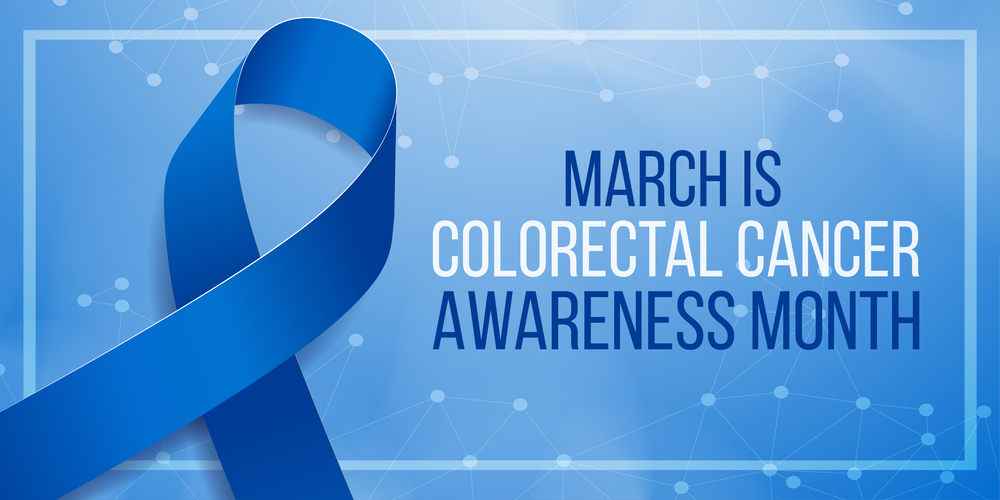
March marks Colorectal Cancer Awareness Month, serving as a timely reminder of the vital role screening plays in preventing one of the most common and deadly cancers in the United States. Colorectal cancer (CRC) is highly treatable—and often preventable—when detected early. As primary care providers, we are uniquely positioned to help patients understand their screening options and obtain prompt care.
Current National Screening Guidelines. Updated guidelines from the U.S. Preventive Services Task Force (USPSTF) recommend that adults at average risk begin screening at age 40, down from 50, due to increasing CRC rates among younger adults. Screening is recommended through age 75, with selective screening from 76 to 85 based on health and prior testing. The American Cancer Society (ACS) supports this guidance and emphasizes several approved testing options for early detection.
Screening Options and the Gold Standard. Patients have multiple screening options, including stool-based tests such as FIT and gFOBT, as well as stool DNA tests, which are available annually or every 3 years. Visual exams—including CT colonography, flexible sigmoidoscopy, and colonoscopy—remain essential tools. Among these, colonoscopy is widely considered the gold standard because it not only detects cancer but also enables immediate removal of precancerous polyps, preventing their progression to malignancy.
Screening vs. Diagnostic Colonoscopy. It’s important to distinguish between screening and diagnostic colonoscopies. A screening colonoscopy is performed on asymptomatic individuals at recommended intervals to detect early disease. In contrast, a diagnostic colonoscopy should be done when a patient shows symptoms like rectal bleeding or iron-deficiency anemia. It is also essential to follow up on an abnormal result from a non-invasive test. This difference often impacts insurance coverage, emphasizing the importance of completing recommended screenings before symptoms appear.
Treatment Options. If colorectal cancer is detected, treatment usually depends on the cancer’s stage and may include surgery, radiation, chemotherapy, or targeted therapies. Early-stage cancers found through screening often require less invasive treatments and typically have better outcomes.
Preparing for Screening. Proper preparation is essential for accurate testing, especially for colonoscopy. Patients should follow a clear-liquid diet and a bowel-cleansing regimen to obtain the best possible view of the colon. Clear instructions and patient support greatly improve exam completion and accuracy.
By encouraging adherence to national guidelines and emphasizing early, regular screening, primary care clinicians can save lives and reduce the burden of colorectal cancer in our communities.
Amanda Corigliano, D.O., is a primary care physician at Buffalo Medical Group Primary Care, which is accepting new patients at all locations. Call 716-656-4471 to schedule an appointment.