
What Seniors Can Do to Safeguard Their Mental Health
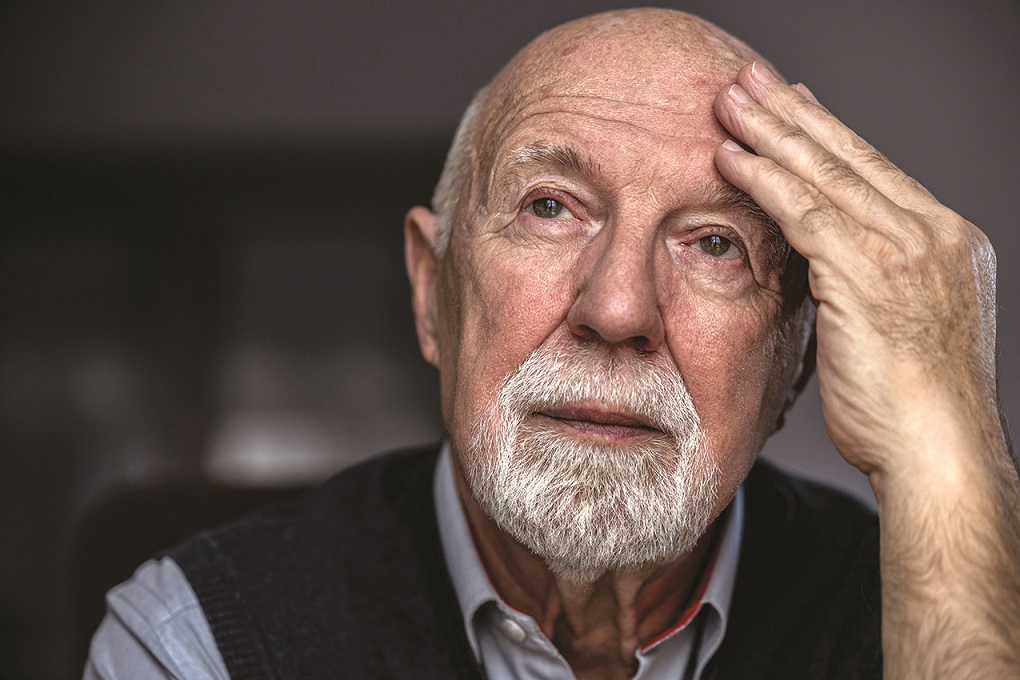
Mental health is increasingly recognized as a vital part of a person’s overall health plan. The stigma once linked to mental health issues has mostly faded, and many now understand that mental health should be valued as much as physical health.
Older adults may not have grown up in a world where mental health was prioritized, and because of that, aging men and women might not recognize when their mental health is declining or know what steps to take to address such issues. Recognizing the importance of mental health is a positive step, and seniors can also explore these strategies to protect their mental well-being.
Recognize your vulnerability.
The World Health Organization points out that older adults are especially prone to potential mental health problems. Mental health is influenced by many factors, such as past experiences and significant stressors related to aging, like a decline in functional ability that can lead to psychological distress. Seniors are also more likely than others to face adverse events like losing a loved one or even losing their sense of purpose, which can happen after retirement. Recognizing this vulnerability may be enough to motivate seniors to seek guidance and help on how to protect their mental health from age-related stressors.
Take breaks if you are a caregiver.
The WHO notes that many older adults serve as caregivers for spouses with chronic health conditions, including dementia. The Alzheimer’s Association reports that studies have found that 70% of caregivers feel stress related to coordinating care. In contrast, two out of three caregivers struggle to find resources and support for their needs. Seniors who have taken on caregiving duties for a loved one must prioritize their own mental health by taking time to care for themselves. Work with family members to share responsibilities when caring for a loved one. If family members cannot contribute, collaborate with local government agencies to help reduce caregiving stress.
Make a dedicated effort to socialize.
A 2025 report from the WHO indicated that roughly one-fourth of older adults experience social isolation and loneliness. Social connection can significantly improve mental health and provide a sense of life satisfaction while enhancing quality of life. Seniors are encouraged to prioritize socialization. Many community-based groups, including government offices, run programs specifically designed to facilitate social interaction among older residents. Take advantage of these programs whenever possible. Seniors living alone may also consider moving to communities exclusive to people age 55 and over, as such developments usually offer a variety of social opportunities for residents.
Older adults are particularly vulnerable to mental health issues, but they can take various steps to safeguard their mental well-being.