What the New Dietary Guidelines Mean for You
How to Build a Healthy Plate, Without Confusion or Stress
By Beth Machnica, MPH, MS, RDN, CDN
Last month, Robert F. Kennedy Jr., Secretary of the Department of Health and Human Services, and Brooke Rollins, Secretary of the U.S. Department of Agriculture, released the 2025–2030 Dietary Guidelines for Americans. Reactions have been mixed. Historically, these guidelines have mainly been designed to guide food standards for public health programs such as school meals, WIC, SNAP-Ed, and the military. The pictures used, like pyramids and plates, are tools to help individuals understand healthy eating.
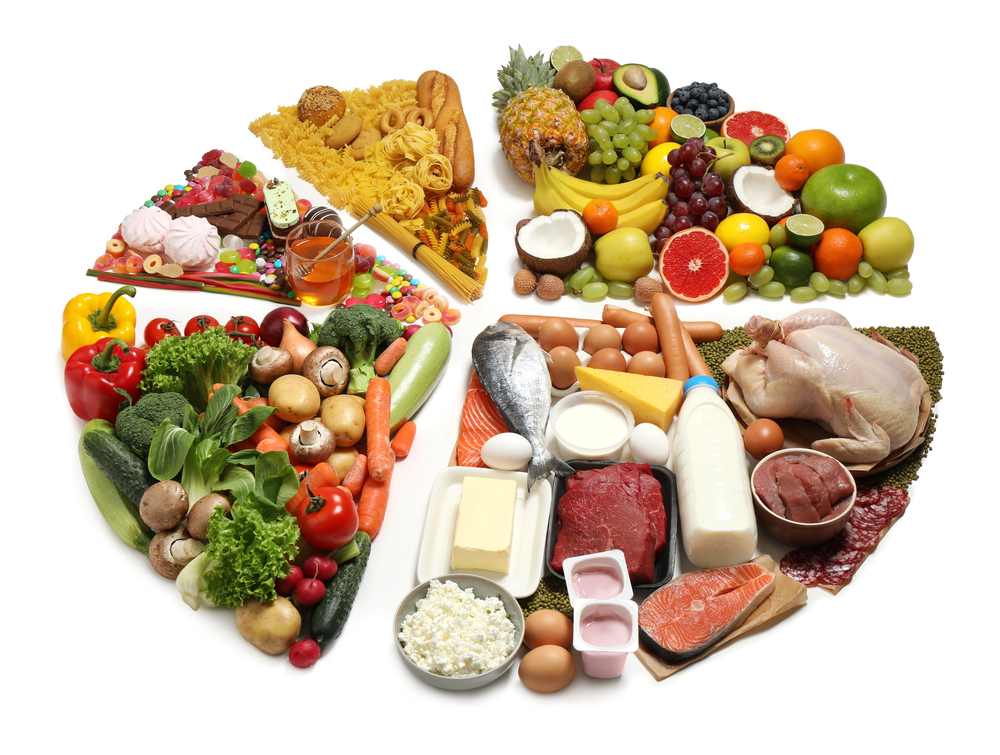
For 18 years, public health has used MyPlate, a simple plate that made healthy choices easier and provided a visual guide for following dietary guidelines. This year, MyPlate was retired and replaced with an upside-down pyramid. This type of visual hasn’t been used since 1992. The new pyramid places protein, dairy, fruits, vegetables, and fats at the top, with grains at the bottom. The idea is to focus on whole foods, but the visual omits plant proteins and clear portion sizes, making it harder to apply in real life. The advice below provides evidence-based guidance on what you should eat for good health.
Protein is important, but not everything.
Protein gets top billing in the new guidelines. While protein matters, most Americans already consume enough. Extra protein without strength training can be converted into sugar or fat in the body.
What you should do.
Make ¼ of your plate protein from real foods like beans, lentils, eggs, nuts, seeds, fish, poultry, or lean meats. Skip ultra-processed “protein” snacks.
Vegetables and fruits are health powerhouses.
Plants continue to be the stars. Eating more fruits and vegetables lowers the risk of heart disease, diabetes, and other health conditions.
What you should do.
Fill half of your plate with fruits and vegetables at every meal. Aim for about 3 cups per day, including a variety of colors.
Choose heart-healthy fats.
While the guidelines say to limit saturated fat, the pictures show butter and red meat, which is confusing.
What you should do.
Use healthy fats like olive oil, avocado, nuts, and seeds. Aim for 1–2 servings per meal.
Fermented foods are beneficial for gut health.
They support beneficial gut bacteria, which help with digestion, blood sugar control, and even mood.
What you should do.
Enjoy small amounts of foods like yogurt, kefir, kimchi, sauerkraut, miso, tempeh, or sourdough 1–3 times a day.
Be flexible with grains and dairy.
Choose whole grains and reduce refined carbs. Dairy can be beneficial, but it’s optional.
What you should do.
Eat 2–4 servings of whole grains daily, and choose dairy only if it works for you.
Although pyramids change, our bodies don’t. Eat real food, but not too much, and mostly plants. The guidelines are a helpful tool, but real change for public health also requires a better food system. Until then, focus on building a balanced plate, one meal at a time.
Beth Machnica is Director of Health and Well-Being at Buffalo Niagara Medical Campus.