Winter Vomiting Disease: What It Is and How to Protect Yourself
By Annette Pinder
Winter vomiting disease, commonly known as norovirus, is a highly contagious virus that causes sudden gastrointestinal illness. While it can occur at any time, cases increase during colder months when people are more likely to spend time indoors together. Norovirus spreads easily through contaminated food, surfaces, and direct contact with an infected person— even small amounts of the virus can cause illness.
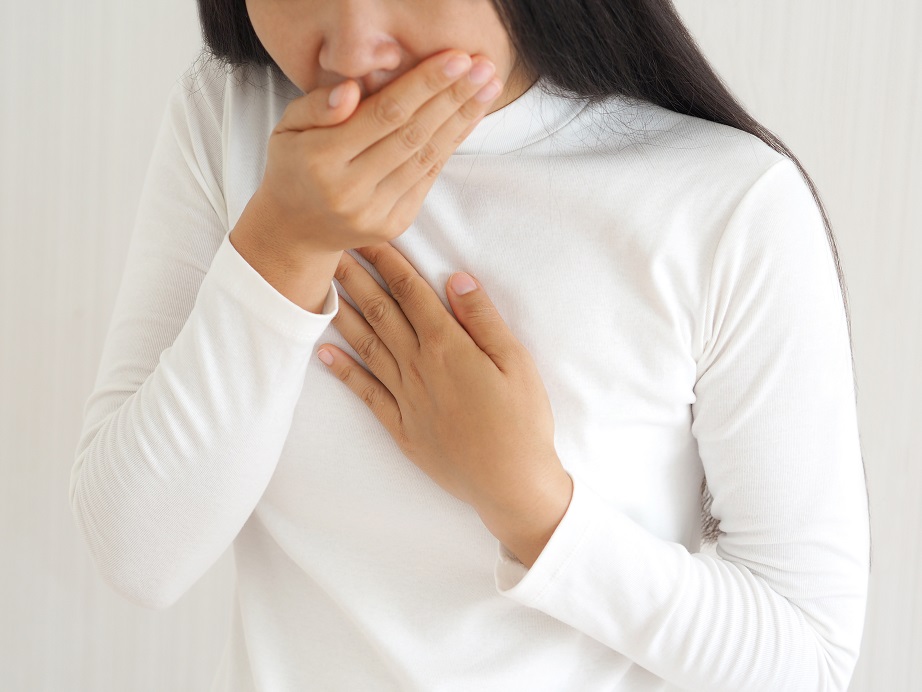
Symptoms usually start 12 to 48 hours after exposure. Common symptoms include vomiting, diarrhea, stomach cramps, nausea, and sometimes fever or body aches. Although the illness typically lasts 1 to 3 days, it can be more serious for infants, older adults, and those with weakened immune systems due to the risk of dehydration.
Because norovirus is extremely hardy—it survives on surfaces for days and resists many common disinfectants—prevention is vital. Protect yourself by washing your hands with soap and warm water for at least 20 seconds, especially after using the bathroom, changing diapers, and before eating and preparing food. Alcohol-based sanitizers are less effective against norovirus, so handwashing is crucial.
Avoid preparing food for others if you are sick or have been ill in the past 48 hours. Clean and disinfect high-touch surfaces with a bleach-based solution if someone in your home becomes sick. If vomiting occurs, immediately clean the area and wash contaminated clothing or linens at the highest possible temperature.
If you get sick, focus on rest and hydration with water, oral rehydration solutions, or clear broths. Most people recover without medical treatment, but seek care if you can’t keep fluids down or show signs of dehydration. By practicing good hygiene and staying alert during peak season, you can greatly lower your risk of winter vomiting disease.