
Rare Disease Day: Making the Unseen Visible
by Annette Pinder
Rare Disease Day is observed annually on February 28 (or February 29 in leap years), the rarest day on the calendar. It is a global awareness day dedicated to more than 300 million people worldwide living with a rare disease. In the United States, a condition is considered rare if it affects fewer than 200,000 people, yet there are over 7,000 distinct rare diseases that collectively impact countless families in every community.
Many rare diseases are genetic and chronic, often appearing in childhood and lasting a lifetime. Patients and caregivers frequently endure years of misdiagnoses, limited treatment options, and emotional and financial strain. For many, simply being believed and understood can be a challenge. Rare Disease Day aims to change that by highlighting conditions that are often overlooked.
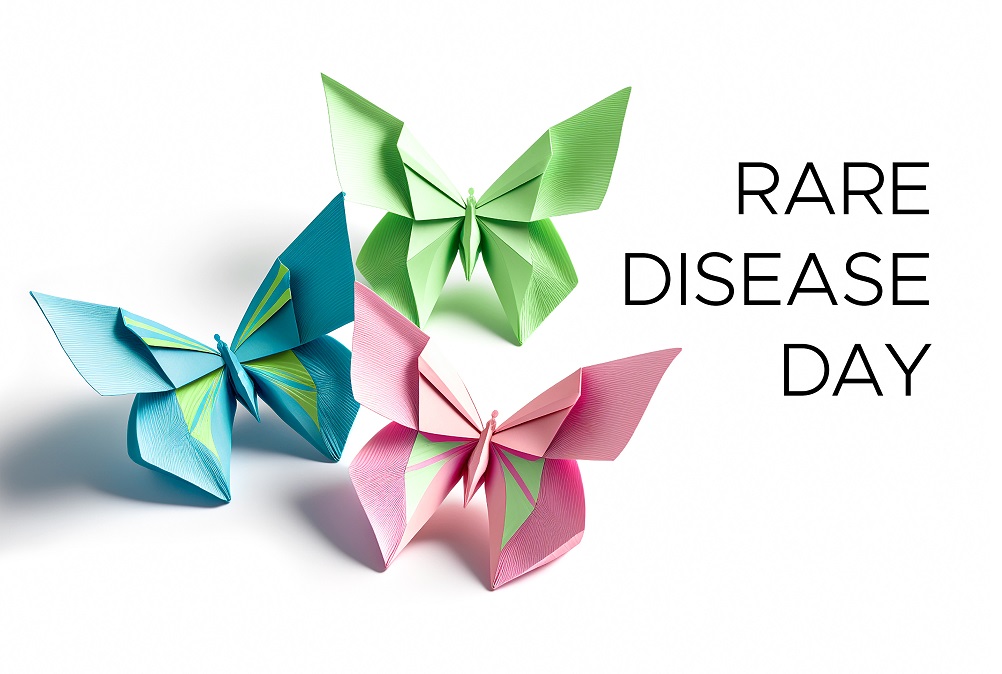
Celebrating Rare Disease Day can be simple but impactful. Individuals can educate themselves about rare conditions and share stories using the hashtag #RareDiseaseDay. To participate, communities can wear purple, teal, green, and pink, symbolizing the diversity of rare diseases and the families affected. They can light up local landmarks, host educational events that raise awareness for patient voices, and support research efforts and policies that accelerate diagnosis.
At its core, Rare Disease Day highlights compassion, visibility, and solidarity. By acknowledging the millions living with rare conditions, we confirm that no one’s experience is too small to matter. Awareness fosters understanding, and understanding fuels hope. It also serves as a reminder to healthcare professionals, policymakers, neighbors, and friends that progress occurs when we listen, invest, and collaborate to improve lives, expand research, and create more inclusive systems of care for all rare disease families today and every day in the future.