Working Out After Age 50
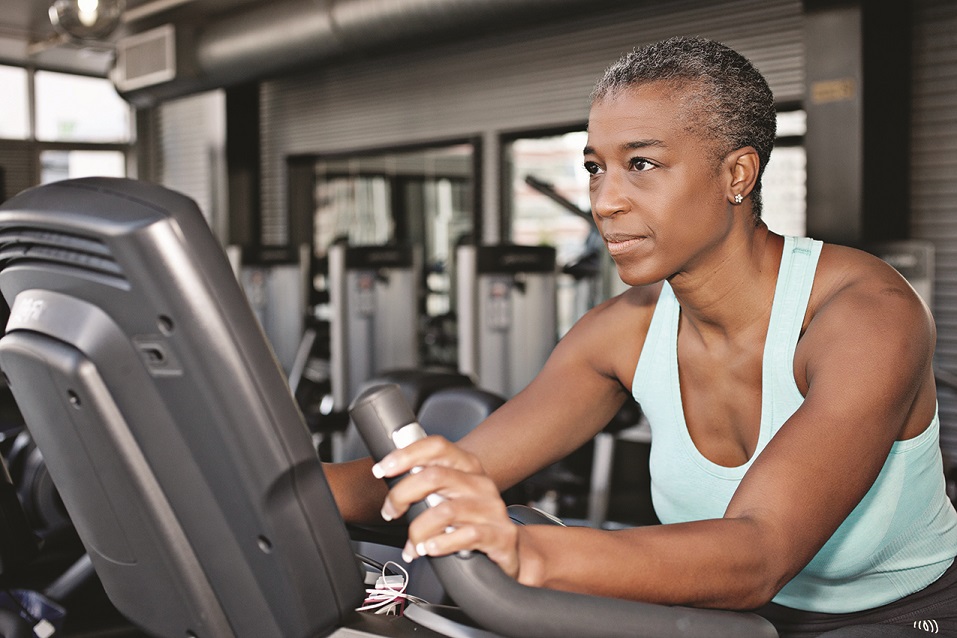
Courtesy of the JCC of Greater Buffalo
Exercise is a vital part of healthy living at any age. Physical activity helps keep a healthy body weight and provides mental benefits, such as less stress and the potential to lower the risk of cognitive decline. However, it’s important to note that suitable exercise for someone at age 20 may differ significantly from the appropriate routine for a person who is 50 or older.
WebMD emphasizes that exercise is vital for maintaining quality of life as you grow older and is key to independence. It’s essential to view exercise as a tool, and, like any tool, using the right ones helps prevent injuries. According to Sarah O’Boyle, Sports, Recreation, and Fitness Director at the JCC of Greater Buffalo, “Fitness routines after age 50 should focus on certain practices and avoid others.” O’Boyle offers some important tips in this regard.
Focus on resistance training.
While cardiovascular exercise is essential for heart health and overall well-being, strength training is just as important to counteract some of the natural effects of aging, such as the decline in bone density and muscle mass. Doing resistance workouts several times a week can help prevent muscle loss and a decrease in bone density.
Choose low-impact activities.
Low-impact exercises that involve less jumping and pounding are gentler on the joints. Consulting with a doctor, physical therapist, or athletic trainer can help tailor or adjust activities based on an individual’s limitations or medical conditions.
Warm up before exercising.
Older adults should warm up their muscles to prevent injury, especially if it’s been a while since their last workout. Harvard Medical School recommends five minutes of brisk walking or using an elliptical machine to boost blood flow and improve muscle flexibility. After exercising, it’s also important to stretch.
Switch to interval training.
Interval training, which alternates between intense exercises and less-demanding “rest” periods, offers greater benefits than a steady exercise pace. It helps burn extra calories and maximizes oxygen consumption. Interval training may also enable shorter workouts.
Increase the number of rest days.
Focusing on recovery after age 50 is essential. Tissues take longer to heal as the body gets older, so longer rest periods between workouts may be necessary.
Pay attention to what your body is telling you.
Even with a doctor or professional trainer guiding workouts, you are the best judge of whether your physical activity is too much or too little. Everyone should notice signs of overexertion, like dizziness, extreme fatigue, or chest pain. Other discomfort signals, such as joint pain, might mean you should lower the intensity or choose different exercises.
An exercise routine may need a reboot after turning 50. Adjusting activities and slowing down can help maintain a healthy, injury-free lifestyle. Learn more about the wide range of classes, personal, and group training available at both of JCC’s locations at www.jccbuffalo.org.